Businesses today operate in a highly competitive digital marketplace, where attracting new customers and retaining existing ones has become increasingly challenging. Consumers receive countless marketing messages every day, making personalized and timely communication more important than ever. Automated email campaigns have become one of the most effective tools for helping businesses engage customers and build lasting relationships.
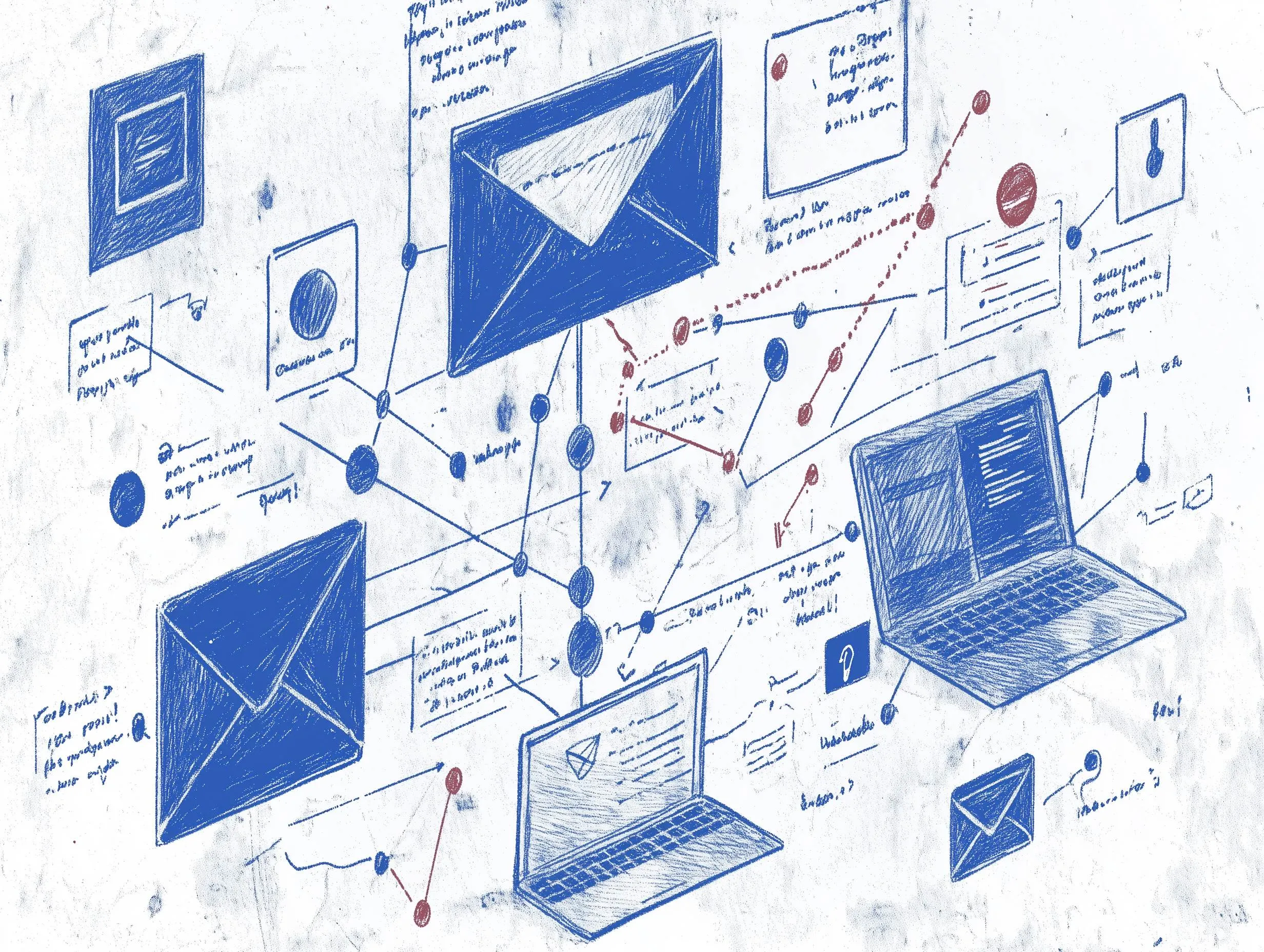
Unlike traditional email marketing, automation allows businesses to send the right message to the right audience at the right time. Whether a customer subscribes to a newsletter, downloads a resource, or makes a purchase, automated workflows deliver relevant emails based on customer actions, creating a smoother and more personalized experience.
Industry research also supports the growing importance of marketing automation. According to Gartner, organizations continue to invest heavily in marketing automation platforms because they improve customer engagement, operational efficiency, and campaign performance. Gartner’s research on marketing automation highlights how automated customer journeys help businesses create personalized experiences at scale.
In this article, we’ll explore how automated email campaigns work, why they have become essential for business growth, and how companies can build automation strategies that increase conversions, strengthen customer relationships, and deliver measurable ROI.
Why Automated Email Campaigns Matter More Than Ever
Email marketing remains one of the most cost-effective digital marketing channels, giving businesses direct access to their audience without relying on changing social media algorithms or expensive paid advertising.
As businesses grow, manually managing customer communications becomes difficult. Automated email campaigns solve this by sending personalized messages based on customer actions, ensuring timely and relevant communication throughout the customer journey.
For example, when a customer downloads a resource or shows interest in a product, automated workflows can instantly send follow-up emails with useful information or personalized recommendations. This improves engagement and reduces manual work.
How Automated Email Campaigns Increase Business Growth
Businesses of every size are under constant pressure to generate more qualified leads, improve customer engagement, and increase sales while keeping marketing costs under control. Automated email campaigns help achieve all these goals by delivering personalized communication at a scale. Instead of relying on manual follow-ups, businesses can automatically guide prospects through the sales funnel with relevant content based on their interests and actions.
Automation allows marketers to focus on strategy and creativity rather than repetitive tasks. Once an email workflow is created, it continues working around the clock, ensuring every subscriber receives timely communication. This consistency strengthens customer relationships and increases the chances of converting prospects into loyal customers.
Another major advantage is that automation removes delays in communication. When a customer fills out a form, downloads an eBook, or requests more information, they receive an immediate response instead of waiting hours or even days. Quick responses demonstrate professionalism and keep prospects engaged while their interest is still high.
Personalization Makes Every Email More Relevant
Today’s customers expect businesses to understand their needs. Generic marketing emails often receive low engagement because they fail to address individual interests. Automated email campaigns solve this problem by using customer data to personalize every interaction.
Personalization goes beyond simply including a customer’s first name. Modern email automation platforms can recommend products based on browsing history, send location-specific promotions, celebrate birthdays or anniversaries, and tailor content according to previous purchases.
Behavioral personalization is especially effective. If a visitor spends time reading articles about cybersecurity solutions, future emails can focus on security-related content rather than unrelated products. Likewise, a customer who recently purchased software may receive onboarding guides, training resources, and feature updates instead of introductory sales messages.
According to Forrester, businesses that deliver personalized customer experiences across digital channels are more likely to improve customer satisfaction, retention, and long-term loyalty. Organizations that effectively use customer data to personalize communications often see stronger engagement compared to those using generic messaging.
When customers receive emails that align with their interests, they are more likely to open messages, click on links, and take meaningful action. Over time, this personalized approach builds stronger relationships and increases customer lifetime value.
Measuring Success Through Email Analytics
One of the biggest strengths of automated email marketing is its ability to provide measurable results. Unlike many traditional marketing methods, email campaigns generate detailed performance data that help businesses continuously improve their strategy.
Marketing teams can monitor important performance indicators such as:
- Open rates and click-through rates to understand subscriber engagement.
- Conversion rates and revenue generated to measure overall campaign effectiveness.
Beyond these core metrics, businesses can analyze unsubscribe rates, bounce rates, customer lifetime value, and workflow completion rates. These insights help identify which emails perform well and where improvements are needed.
For example, if a welcome email receives strong open rates but low click-through rates, marketers may revise the call-to-action or simplify the message. Likewise, if customers frequently abandon their shopping carts, businesses can adjust abandoned cart emails by offering additional product information, customer testimonials, or limited-time incentives.
Continuous optimization ensures that automated email campaigns become more effective over time, leading to better engagement and higher returns on marketing investment.
Best Practices for Creating Successful Automated Email Campaigns
Building an automated email campaign is not simply about scheduling a series of emails. The most successful campaigns are carefully planned around the customer journey and are continuously optimized based on performance data. Businesses that invest time in understanding their audience and refining their messaging often achieve stronger engagement and higher conversion rates.
The first step is to define clear campaign objectives. Whether the goal is to generate qualified leads, increase online sales, improve customer retention, or promote a new product, every automated workflow should support a specific business objective. Having a clear purpose helps marketers create relevant content and measure success more accurately.
Audience segmentation should also remain a priority throughout the campaign. Customers have different interests, industries, job roles, and buying behaviors, so sending identical emails to everyone is rarely effective. By grouping subscribers based on relevant characteristics, businesses can deliver personalized content that resonates with each audience segment.
The quality of email content is equally important. Every email should provide useful information instead of focusing only on promotional offers. Educational articles, industry insights, customer success stories, product tutorials, and practical tips help establish credibility while keeping subscribers engaged. Valuable content builds trust, making recipients more likely to respond positively when sales opportunities arise.
Businesses should also optimize email subject lines, preview text, and calls-to-action. A compelling subject line encourages recipients to open the email, while a clear call-to-action guides them toward the next step, whether it is downloading a resource, requesting a demo, or making a purchase.
Testing should become a regular part of every automation strategy. A/B testing different subject lines, email layouts, images, content length, and sending times helps marketers understand what works best for their audience. Small improvements across multiple campaigns can produce significant increases in engagement over time.
The Future of Automated Email Marketing
As technology continues to evolve, automated email marketing is becoming even more intelligent. Artificial intelligence (AI), machine learning, and predictive analytics are transforming how businesses communicate with customers by making campaigns more personalized and data driven.
AI-powered email platforms can analyze customer behavior, predict future actions, and recommend the best time to send messages. Instead of relying on fixed schedules, businesses can automatically deliver emails when each subscriber is most likely to open and engage with them. This level of optimization helps improve open rates, click-through rates, and overall campaign performance.
Predictive analytics also enables marketers to identify customers who may be ready to purchase, those who are at risk of becoming inactive, and opportunities for upselling or cross-selling. By acting on these insights, businesses can create highly targeted campaigns that maximize customer value throughout the entire lifecycle.
Interactive email experiences are also gaining popularity. Features such as embedded surveys, appointment scheduling, product carousels, live countdown timers, and personalized recommendations allow subscribers to engage directly within the email itself. These interactive elements create a smoother customer experience while encouraging higher engagement.
Privacy and data protection will continue to shape the future of email marketing. Businesses must remain transparent about data collection, obtain proper customer consent, and comply with regulations such as GDPR and other privacy standards. Ethical marketing practices help build customer trust and strengthen long-term relationships.
Email Marketing for Your Business Growth
Email marketing continues to evolve as customer expectations, artificial intelligence, and automation technologies reshape how businesses communicate with their audiences. Organizations that embrace these changes and invest in smarter, more personalized email experiences will be better positioned to build stronger customer relationships and stay ahead in an increasingly competitive digital marketplace.
The most successful automated email campaigns are built on more than technology alone. They combine reliable customer data, thoughtful audience segmentation, valuable content, and continuous optimization to deliver the right message at the right time. Businesses that consistently refine their strategies based on customer behavior and campaign performance can improve engagement, strengthen brand loyalty, and generate sustainable long-term growth.
Rather than viewing email automation as a one-time marketing initiative, businesses should treat it as an ongoing strategy that evolves alongside customer needs and industry trends. Regular testing, personalization, and performance analysis will help ensure every campaign delivers measurable value while supporting broader business objectives.
For organizations focused on expanding their B2B Email Marketing efforts, combining automation with high-quality business data can make a significant difference. Using a reliable IT Decision Makers List enables businesses to connect with the right technology professionals, improve audience targeting, and deliver highly relevant email campaigns that drive qualified leads, increase marketing ROI, and support long-term business success.

James Harris
Soy James Harris, especialista en marketing digital en EprofileTech LLC, donde ayudo a las empresas a crecer mediante estrategias de SEO, marketing de contenidos, generación de leads B2B y crecimiento digital orientado a resultados.
Schedule a 30-minute meeting
Want to know how we can generate more leads for your business in Barcelona?
Leave us your email and phone number and we’ll schedule a no-obligation call to give you a personalized assessment of your current marketing strategy.